
The Sacred Order of Char Dham Yatra 2026: Why Following the Ancient Sequence Brings True Peace
Taking on the char dham yatra is far more than just taking a casual vacation or going on a routine holiday trip through the mountains. It is a profound, life-changing spiritual pilgrimage designed to cleanse your soul, free you from past karmic burdens, and align your energy with the universe. Hidden high up in the quiet Garhwal Himalayas of Uttarakhand, the four holy shrines—Yamunotri, Gangotri, Kedarnath, and Badrinath—create a powerful circuit of divine energy.
As millions of pilgrims start preparing for the char dham yatra 2026 season, many miss one incredibly important detail that ancient scriptures emphasize: the specific sequence of your visit. Visiting these sacred sites is not supposed to be done in random order. Ancient traditions teach that following the traditional clockwise sequence step-by-step unlocks the true spiritual purpose of the entire journey. For those looking to complete this sacred route smoothly and without the physical strain of long mountain road trips, trusted travel services like avyaaviation provide direct helicopter tours that follow the traditional sequence, transforming a standard mountain trip into a comfortable, real path toward inner peace and liberation.
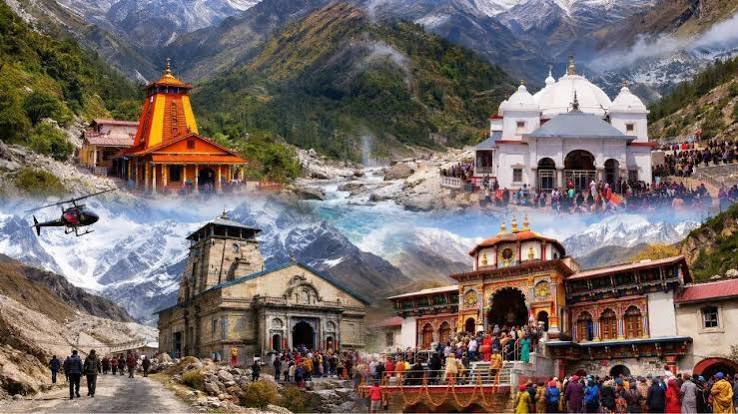
The Sacred Circuit: Understanding the Clockwise Parikrama
According to ancient Hindu traditions, the char dham yatra should always be done in a circle from west to east (in a clockwise direction). The journey starts at Yamunotri, moves north to Gangotri, then heads east to Kedarnath, and finally ends at Badrinath.
This route wasn’t chosen by chance. It is a beautiful symbol of spiritual growth, inner cleansing, and connecting with the divine.
The traditional route of the char dham yatra flows in a counter-clockwise direction, moving from West to East:
- Yamunotri (The seat of Goddess Yamuna)
- Gangotri (The seat of Goddess Ganga)
- Kedarnath (The abode of Lord Shiva)
- Badrinath (The abode of Lord Vishnu)
The Theological and Mythological Significance of Char Dham Yatra
1. Yamunotri: Cleansing the Karmic Slate
The Yatra begins at Yamunotri, where the holy River Yamuna begins. In hindu mythology, Yamuna is the twin sister of Yama, the God of Death. By offering prayers and taking a ritual dip in the holy thermal springs and river streams here, Pilgrims pray and take a bath in the warm springs and river here to wash away their sins, lose their fear of death, and clear their karma before visiting the High-Altitude temples.
2. Gangotri: Absolute Purification
From Yamunotri, the pilgrimage proceeds to Gangotri, the origin of the River Ganga—the holiest river in Hinduism, which descended from the heavens to earth to wash away the sins of humanity. Bathing in the pristine waters of Gangotri further purifies the mind, body, and spirit, preparing the pilgrim to approach the domains of the supreme deities, Shiva and Vishnu.
3. Kedarnath: Shedding the Ego
Now clean in mind and soul, you head high into the mountains to Kedarnath, one of the 12 Jyotirlingas of Lord Shiva. Shiva represents destruction—not of life, but of the ego, attachments, and worldly fears. The tough trek to Kedarnath forces you inward, teaching endurance and humility.
4. Badrinath: Reaching Ultimate Salvation (Moksha)
The final destination is Badrinath, dedicated to Lord Vishnu, the preserver of the universe. Once your karma is cleansed, your mind purified, and your ego dissolved, you are finally ready to stand before Lord Vishnu to ask for peace, grace, and ultimate salvation (Moksha).
- How to Experience a Hassle-Free Char Dham Yatra in the Correct Order
Trekking or driving through all four sites can be physically demanding. If you want to skip the multi-day mountain roads while still strictly following the traditional chronological route, opting for chardham yatra by helicopter 2026 is an excellent choice. Services like avyaaviation provide smooth VIP heli-tours that let you complete the full traditional sequence comfortably in just a few days.
Respecting the sacred order turns a simple trip into a true journey of inner growth. Following the traditional path lets you experience the mountains not just as a traveler, but as a true pilgrim.